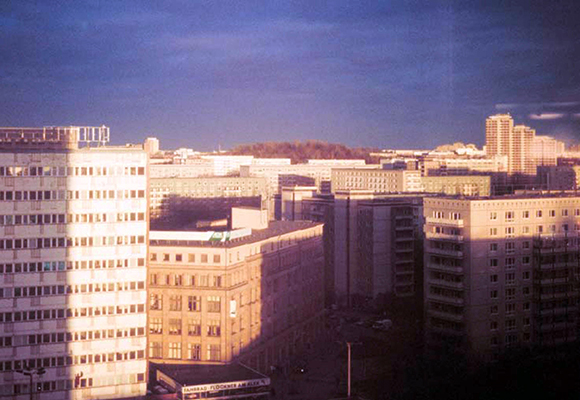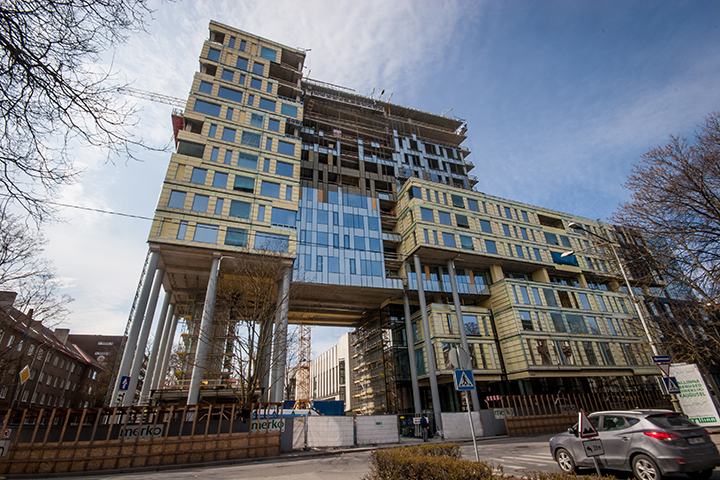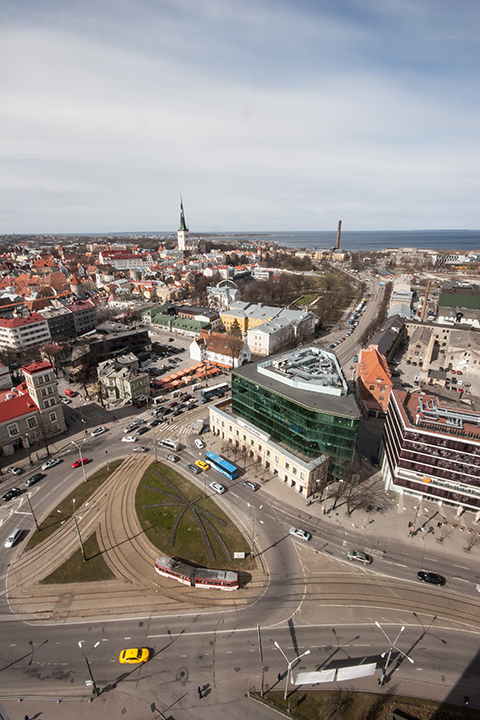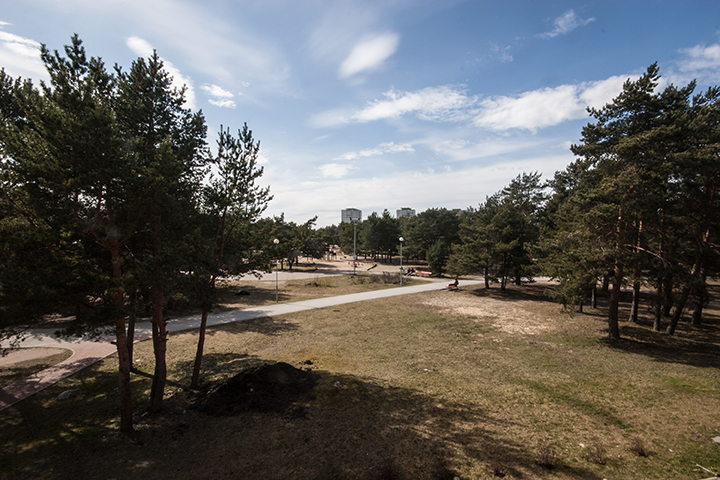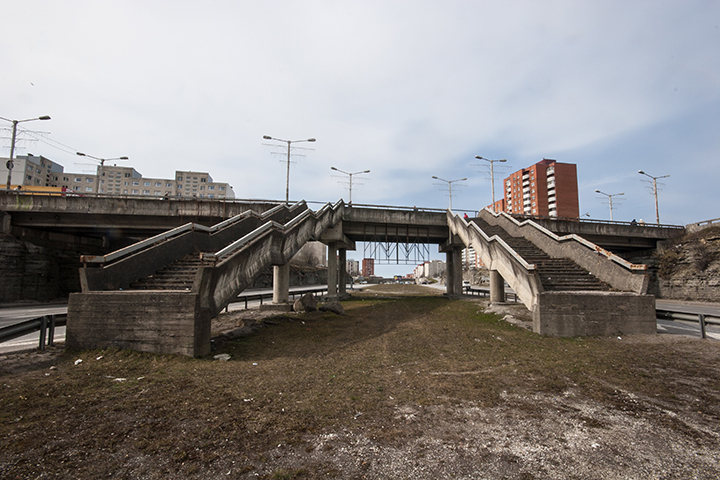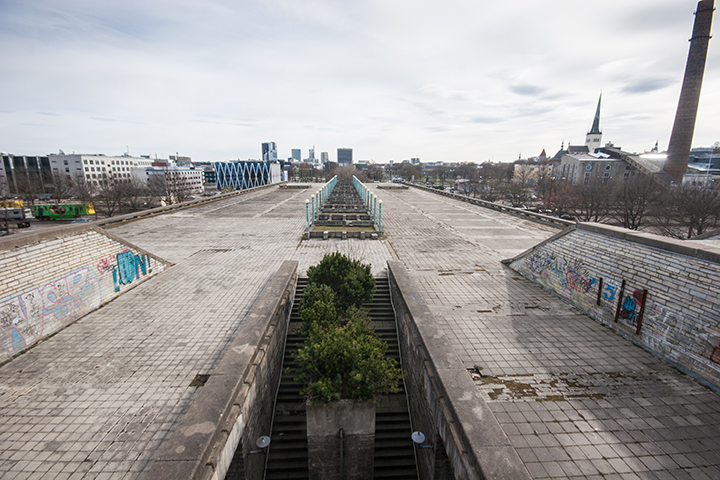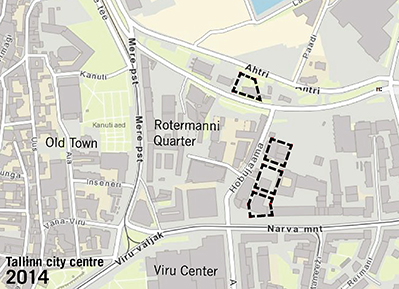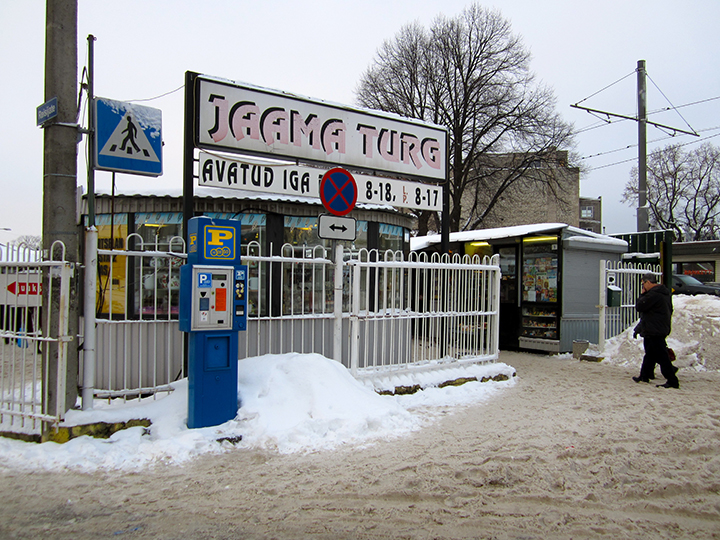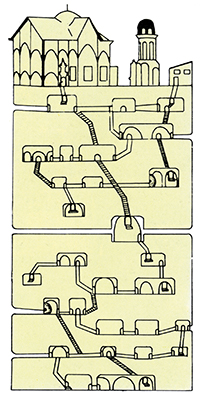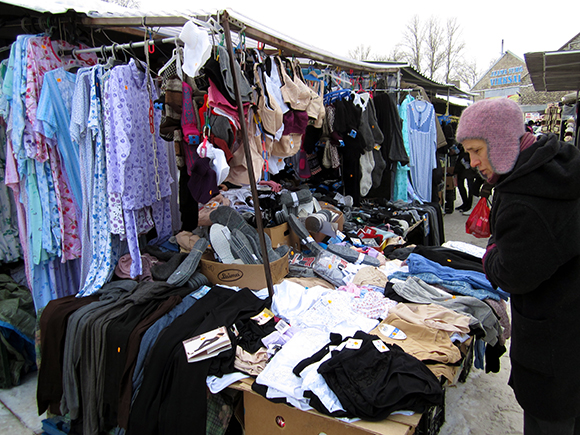


The city of Tallinn – the location of the conference Socialist and Post-Socialist Urbanisations: Architecture, Land and Property Rights (Urban and Landscape Days XI, 8 – 11 May, 2014), on the occasion of which this issue of U journal is published – is regularly seen as post-socialist. Due to its half a century-long history as a capital of one of the republics of the Soviet Union, but also considering the ways in which it has developed since the collapse of the Soviet Union, such assessment is justifiable. Since 1991, the city has experienced suburbanisation, segregation and gentrification, developed a Central Business District, multiple shopping malls and other car-oriented developments, employed culture and festivals as tools of regeneration, and so on and so forth. Undoubtedly, it has increased its similarity to cities in Western Europe and departed from the ways it was organised under the Soviet socialist regime. Yet, despite those processes, the city also keeps its ‘socialist’ features and produces paths and developments that are quite unexpected. A ‘post-socialist city’ is a complicated phenomenon. ‘After 20 years of transformations...’ – as articles discussing post-socialist cities, which we interrogate with a Benjaminian eye in this issue, tend to start – it is time to reflect on what ‘post-socialism’ means.
Is every Central and East European city ‘post-socialist’? Is ‘post-socialism’ a stage that passes? Are there cities that are still ‘socialist’? Are there cities that are ‘post-socialist’ but not in Central and East Europe? Is every object of architecture from the period of socialism ‘socialist’? Is architecture ‘post-socialist’ simply because it was built in a particular moment of history? No, no, yes, yes. But it could also be ‘yes, yes, no, no’. It all depends on how we define ‘post-socialism’.
If ‘post-socialism’ is defined as a spatially and temporally bounded entity that contains cities
with the Soviet past, then the latter perception would be held. If ‘socialism’ in post-socialism would
be considered an idea with various manifestations around the world – if transformation instead of transition is the frame of
thinking – , the former assessment would hold true.
The conference and the U special issue both want to challenge the entrenched understanding of
‘post-socialism’ that locks the notion into a region and a temporal period. This is done conceptually
by noting complicated borders of these dimensions, but also by revisiting value judgements associated
with ‘socialism’ and ‘post-socialism’. The conference and this issue develop the challenge along three
thematic foci: architecture and urban planning, property rights, and land use and
landscape.
ARCHITECTURE AND URBAN PLANNING
Many seeds of today's architectural and planning thinking have been planted in the socialist
period. Historically, modernism and socialism developed hand in hand. Yet the roots of ‘post-socialist
post-modernism’, to take one example, can be traced back to the 1970s, if not earlier. This raises
questions about the relation between the architectural dissent under socialism and the post-socialist
architecture mainstream. In some instances, the value of buildings and urban plans from the socialist
period is being rediscovered today. What exactly is valued and reevaluated: the forms or the ideas?
Which aspects of socialist urban planning and architecture persist and what is to be learned from
(which?) discarded ideas of socialist urban planning?
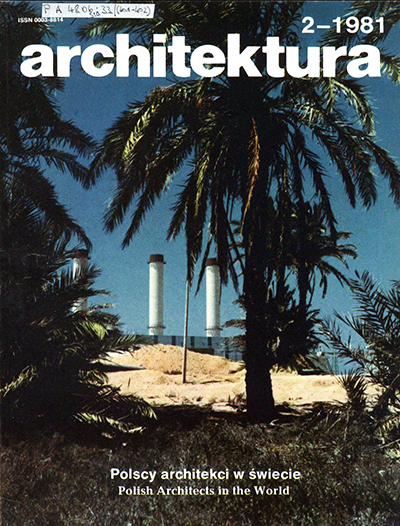
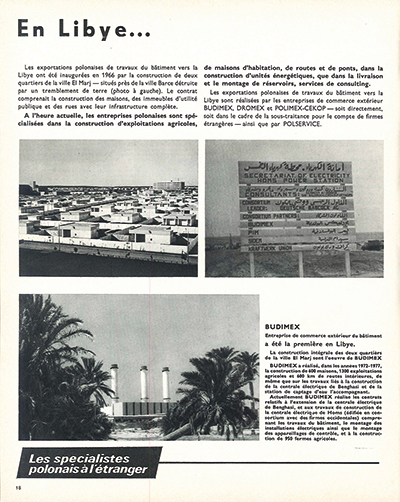
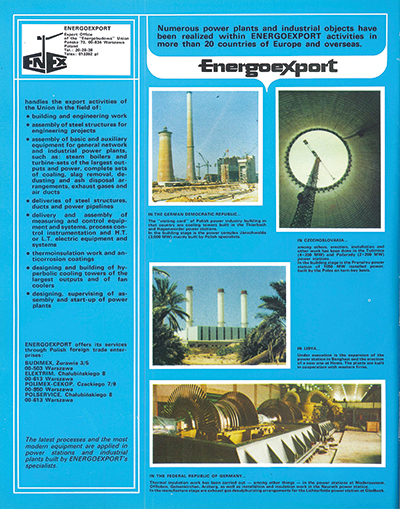
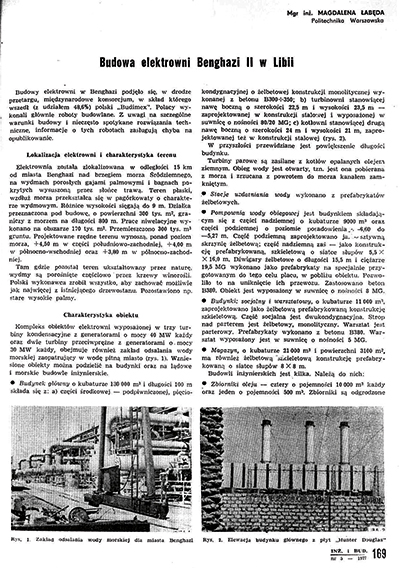
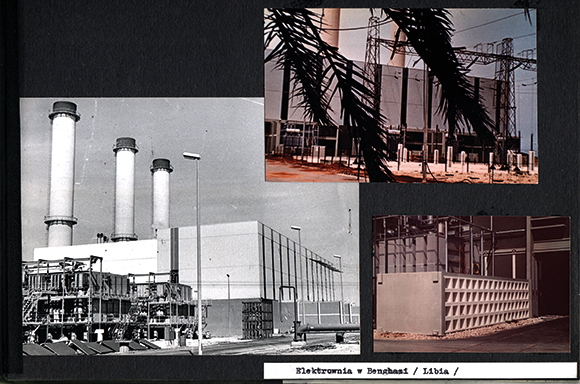
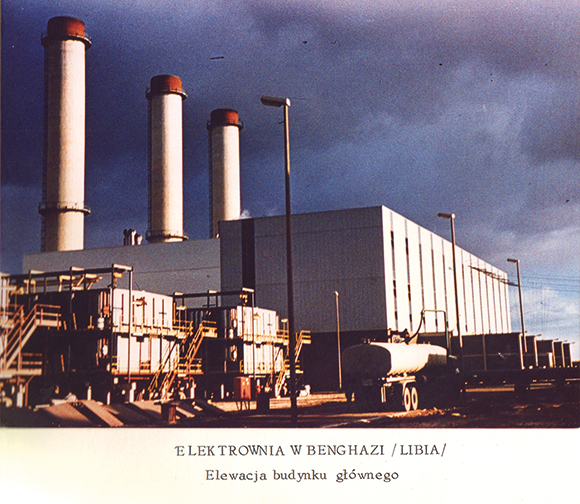
In his contribution, Łukasz Stanek presents an account of exporting
architectural labour from socialist Poland to Africa and the Middle East. Despite the Iron Curtain,
Polish (post-)modern architects and the large state firms that employed them, quite successfully
navigated the channels of architectural production between the First, Second and Third world.
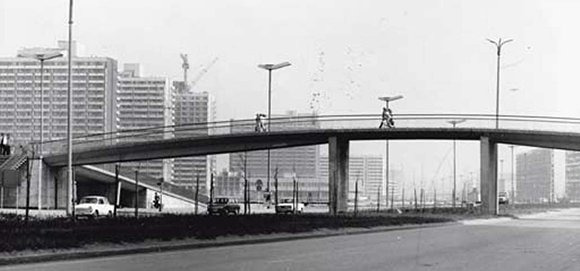
Complementing Stanek’s geo-political challenge to the notion of socialist architecture, Tauri Tuvikene
analyses projects for the construction of large car spaces in Tallinn, devised in 1960s and 1970s, and
traces the similarities with the planning strategies of motorised societies of the capitalist West.
Similary the text by Kaija-Luisa Kurik and photo essay by Kaur Maran offers an insight into temporal
ruptures showing five architectural examples where the end of the socialist marked the end of a
certain form or an ensemble. The quote from Mati Unt’s now-classic novel Autumn Ball (1979), which has
been unfortunately eclipsed by the vapid, widely advertised, cinematic adaptation (2007) and is
practically inaccessible in English, supports the three contributions. The extract presents the inner
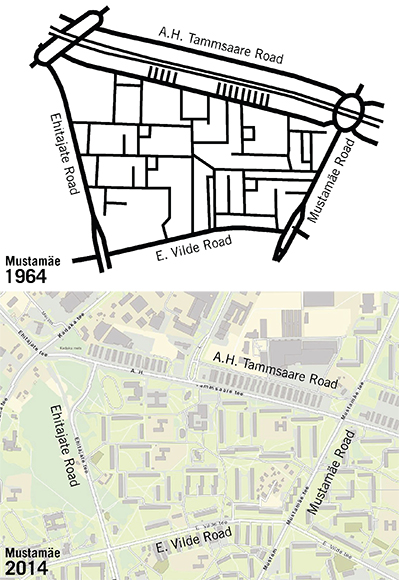
thoughts of a fictional architect of Mustamäe, Tallinn’s housing estate from the 1960s, who ponders
the questions of progress and nostalgia, equality and happiness.
PROPERTY RIGHTS
The transfer from state ownership to private ownership is a well-known account of the
post-socialist transformation. While the development of capitalism proclaimed hope for all, it has
also led to injustices. In Estonia, for instance, with the re-creation of private property rights in
the land market, and reversing the hierarchy of use and ownership, new conflicts and inequalities were
created in the same moment that the old injustices were being expiated. Although a new generation of
post-socialist activism has appeared on the horizon, privatism is challenged predominantly at the
level of access and life-style. The value of community and public spaces is accepted by a wide array
of actors, but the more controversial issue of ownership and property rights is often left untouched.
What are the everyday mechanisms and scientific theories that assign to private property rights a
hallmark of a natural law? What are the counter-mechanisms and theories that introduce different
subjects of the property: state, public, commons, or communities? What are the diverse and unexpected
manifestations of transformed property rights?
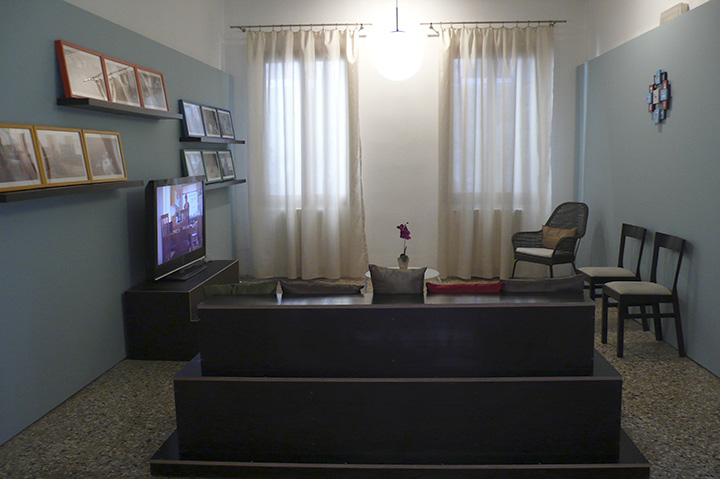
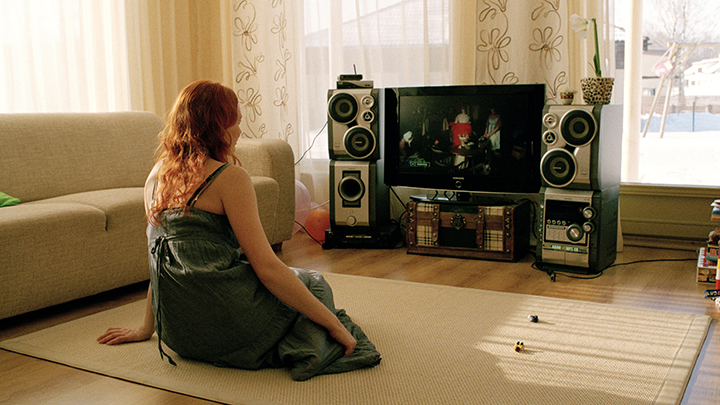
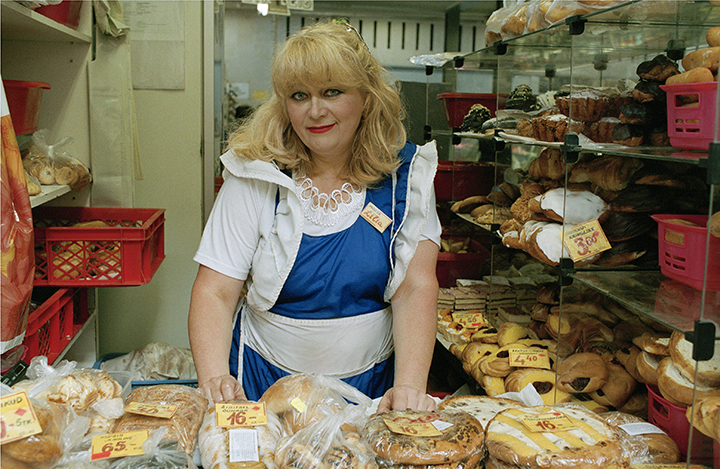
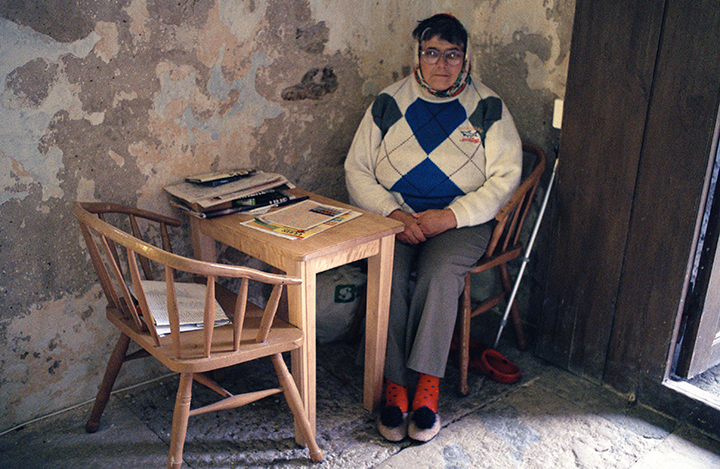
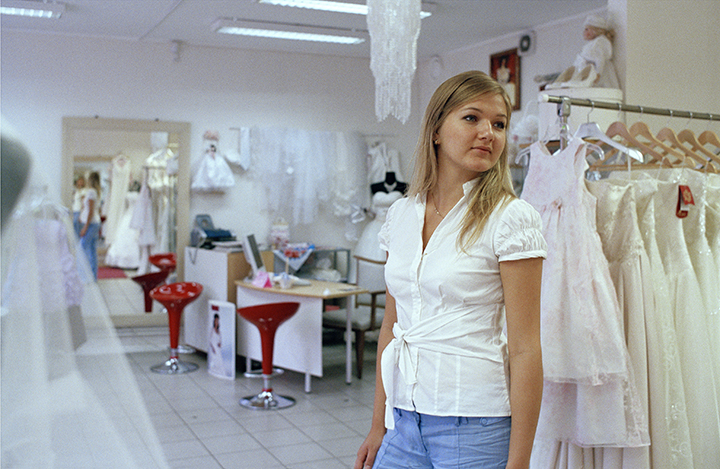
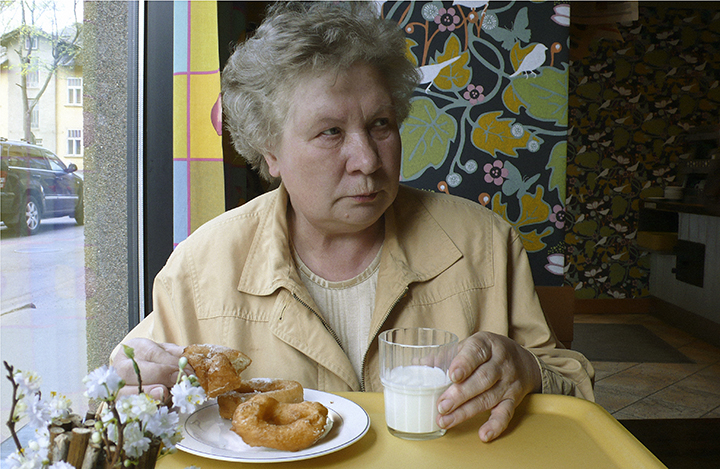
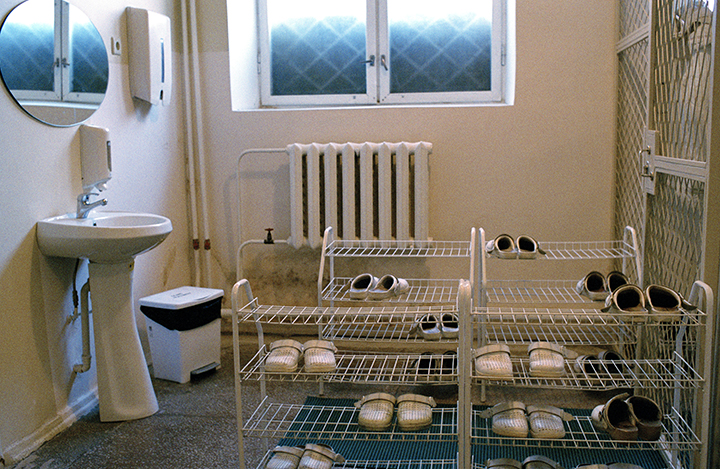
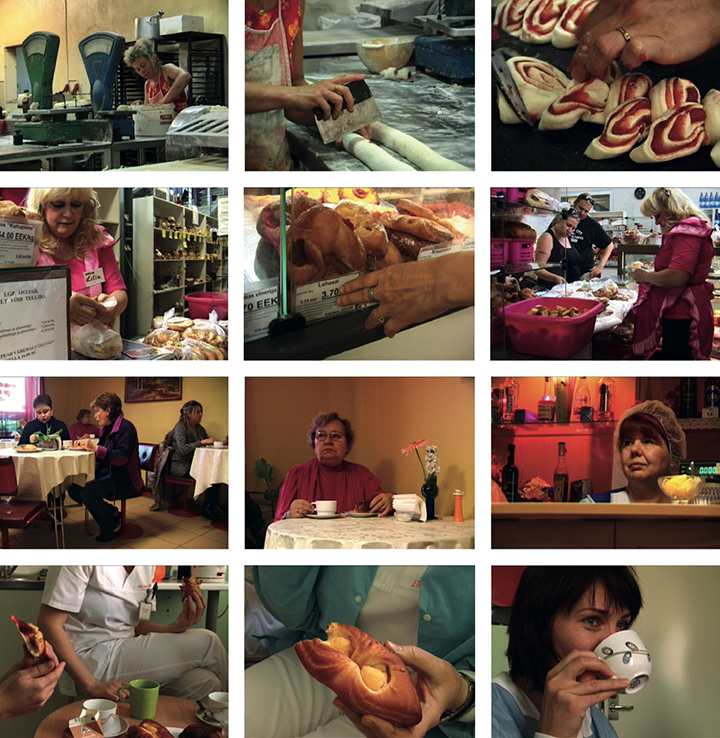
A series of photos and video-stills by Liina Siib looks at the dialectics of owning and disowning
of space, as it is manifested in the everyday practices of women, mostly Russian-speaking. Accompanied
by the commentary of Triin Loks, the contribution highlights gender and ethnic inequalities in a
society turning its socialist reality into the capitalist one with, yet, concomitant existence of the
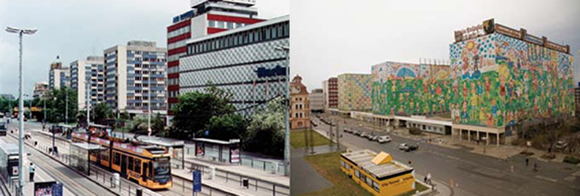
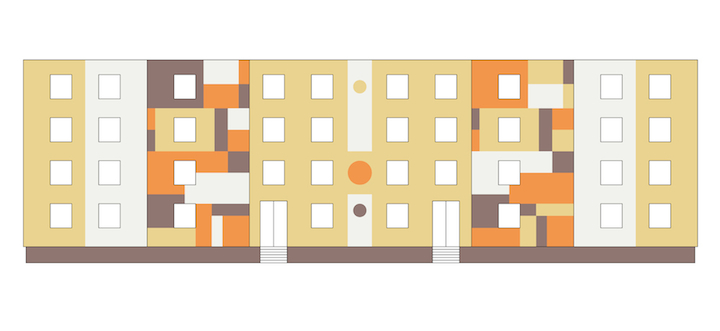
two. Maroš Krivý presents a short selection from his art-research project New Coat of
Paint, which started to wonder about the process of repainting housing estates in colourful patterns.
For this issue, a text-based composition probes into what can be called a ‘governmentality by colour’,
a manifold process of pitching individual distinction against old-fashioned universality, as it is
manifested in architecture and urbanism in the cities of Central and Eastern Europe and
beyond.
LAND USE AND LANDSCAPE
Post-socialist spatial patterns of land use have been categorised, mapped and GIS-ed;
post-socialist urban landscapes have been photographed, walked about and talked. Much less has been
said, however, about the ways in which normative ideas about correct and incorrect land uses, about
ugly and nice landscapes, have been formed and developed. In what ways are value judgements structured
around socialist and post-socialist land uses and landscapes? What are the origins of today's
prominence that we assign to an urban leisure function, of the idea that cities should be beautiful
and enjoyable, of our sense for the 'landscaping' of urban space? Looking at landscapes raises
questions of different modes of production and ways of representation. What does it mean to exclaim
that ‘there is nothing’ in an industrial waterfront, that a marketplace is ‘without use’; what are the
consequences of classifying these places – often in
one and the same sentence – as ‘underdeveloped’ and
‘having potential’? How can emptiness itself be an instrument of private speculation, preventing more
democratic ways of utilising land?
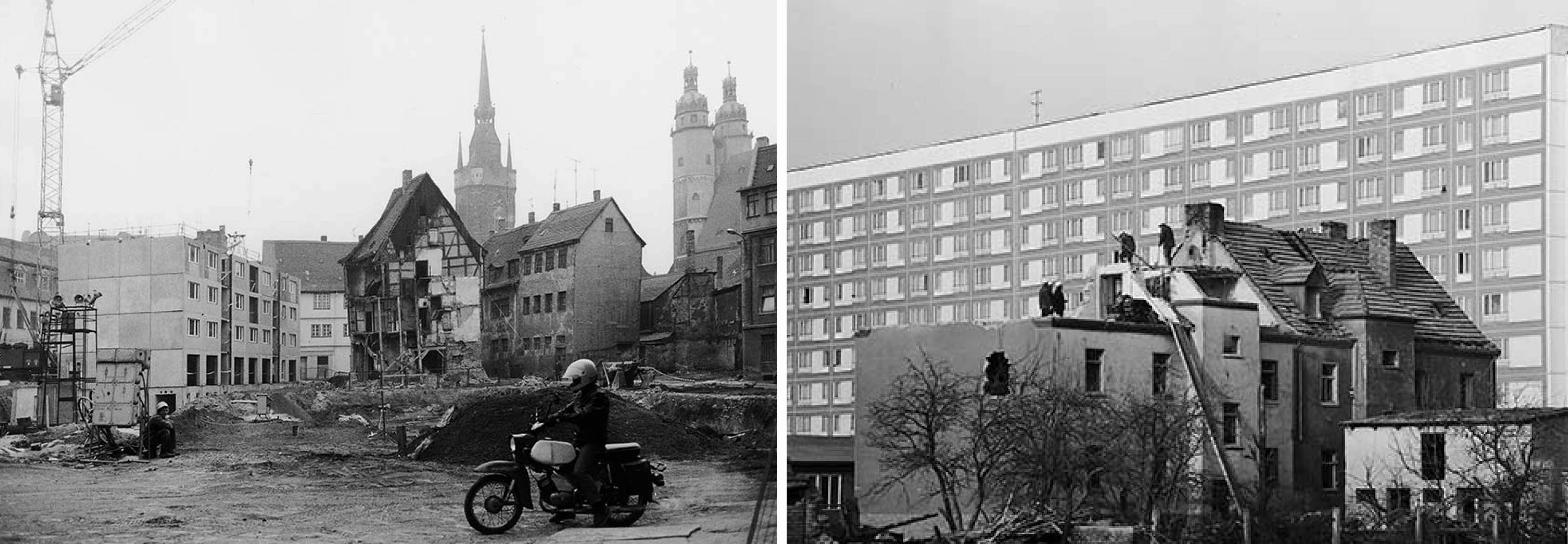
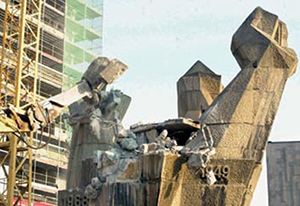
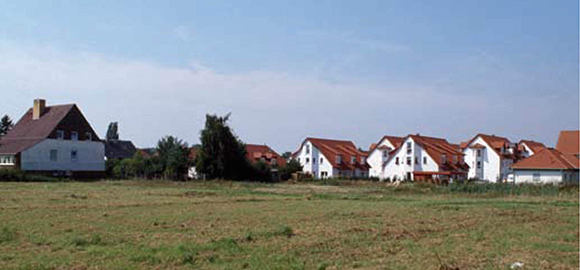
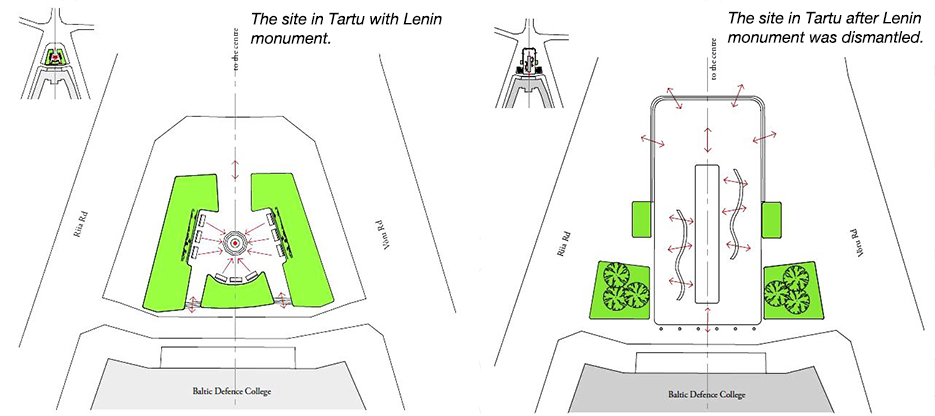
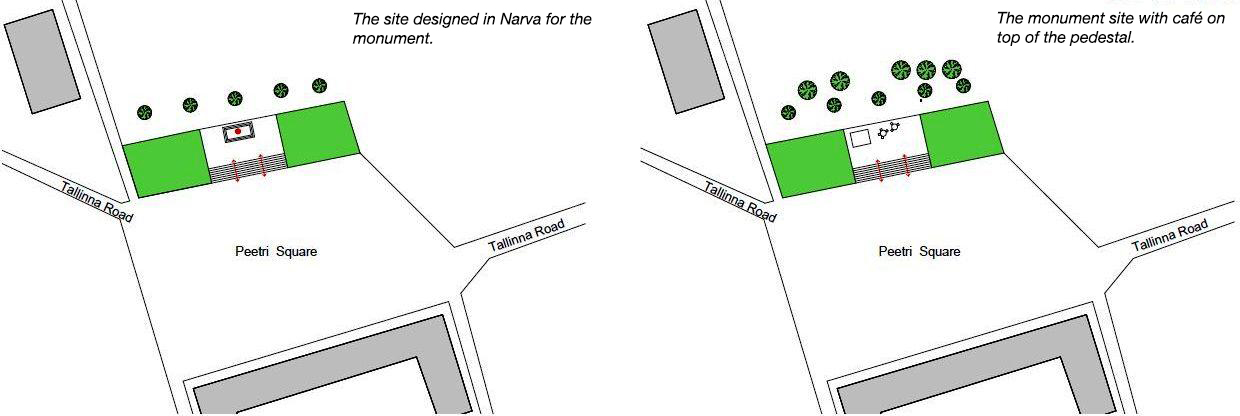
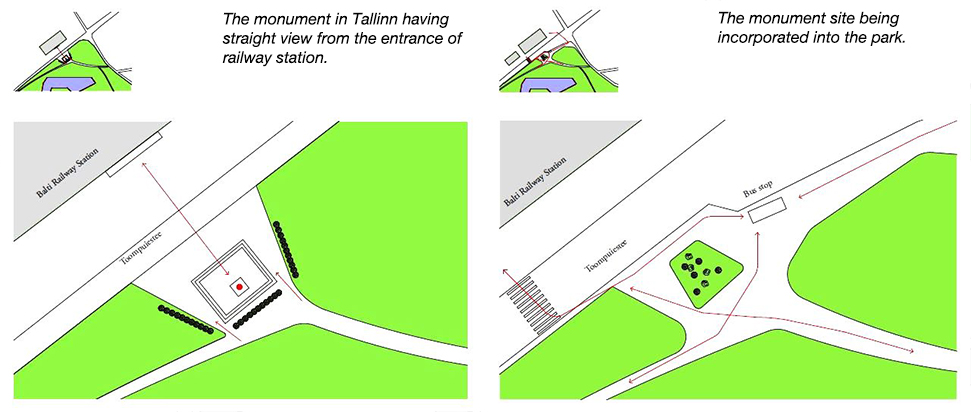
Antje Heuer and Stefan Rettich bring forward these questions in relation to the problem of shrinking urban landscapes manifested in many regions of East Germany. They note that physical landscapes are always also landscapes of property rights, observing how material ‘relics of the socialist city’ can be redeemed by other ‘relics of the socialist city’, that is, public-oriented forms of planning. Francisco Martinez and Jürgen Rendl introduce their ongoing ethnographic workshop, in which graduate students interrogate the Balti Jaam marketplace in Tallinn. Framing the workshop output as a possible proposal for counter-intuitive intervention, the authors portray the place as an ‘ant nest’ that is a seismograph of post-socialist changes. Raina Lillepõld presents samples of her graduate work in an urban research studio, in which she traced and mapped the removal of Lenin statues in Estonia in the early 1990s. In this issue, Lillepõld offers the reader revealing diagrams that document the ways in which the former locations of the statues were carefully redesigned after their removal.
This issue of U is a collage of previously published or exhibited works, original submissions, older, unpublished writings, and reflections on ongoing research. As a way of stressing that collage can be a fully-fledged medium of thought on the one hand, while warning that post-socialist thought has been often satisfied with pasting together sedimented ideas on the other, but also highlighting that the thought itself is architectural, landscaped and subjected to conflicting property claims, we also present ourselves a paper in which not one letter is ours: it is fully composed of thirty-five introductory sentences that we found in the vast academic literature on post-socialism.